
Greek Cinema, Cultural Memory and the Legacy of Michael Cacoyannis
Cinema is more than a sequence of moving images. It is a visual language through which stories, identities and collective memories are preserved and communicated across generations. Within the history of Greek cinema, few filmmakers have shaped this language as distinctively as Michael Cacoyannis, whose work connected Greek cultural identity with international cinematic expression.
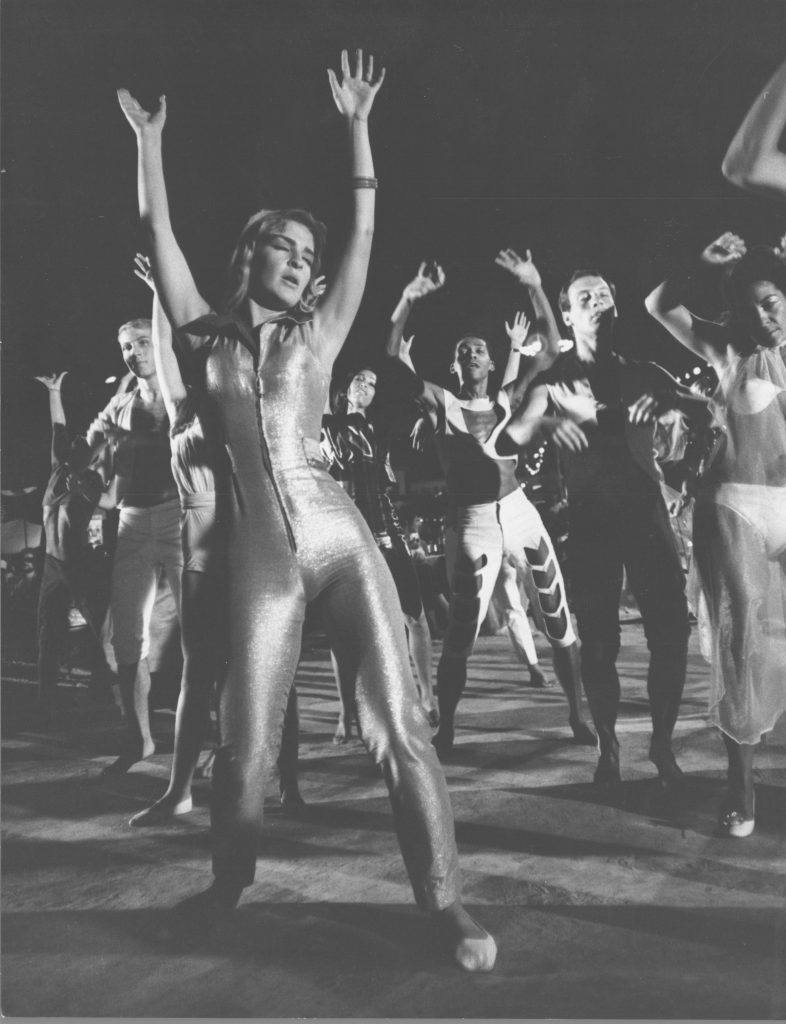
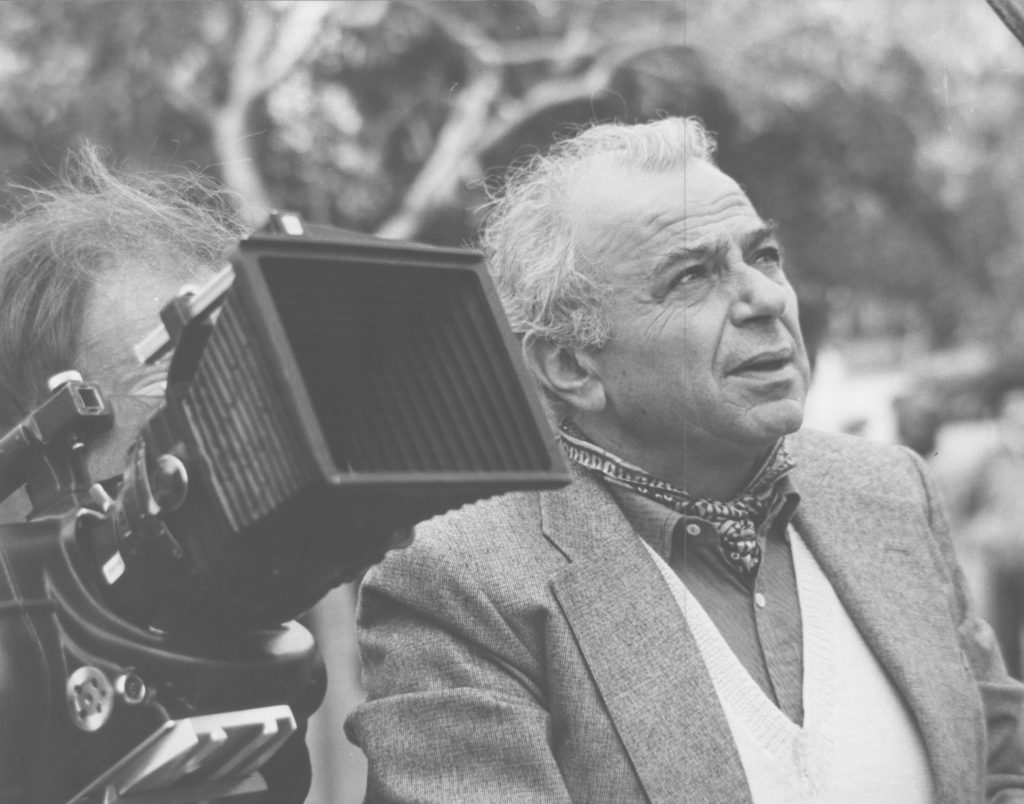
Born in Limassol in 1922, Cacoyannis developed an internationally recognised career as a director, screenwriter and producer, bringing Greek stories to audiences around the world. Rooted in Greek cultural references and Mediterranean sensibilities, his films explored universal experiences, addressing identity, freedom, social expectations and human relationships. His work demonstrated how stories emerging from a particular cultural landscape could transcend geographical boundaries and become part of an international cinematic heritage. Combining theatrical intensity with a distinctive visual sensibility, his films continue to resonate beyond their original historical context.
In the context of Athens hosting the 2027 European Film Awards, the Michael Cacoyannis Foundation honours the legacy of one of Greek cinema’s most influential filmmakers through a tribute centred on three landmark films — Eroica, The Day the Fish Came Out and Stella. The initiative brings renewed attention to Cacoyannis’s contribution to international cinema, revisiting themes of adolescence, environmental vulnerability and female autonomy. Screenings are accompanied by discussions that connect his cinematic vision with contemporary cultural and social concerns.
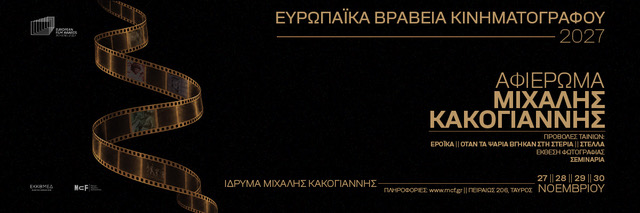
A photography exhibition featuring previously unpublished material from the director’s personal archive adds another visual dimension to this tribute. Offering glimpses into his artistic journey and the creative processes behind his films, the photographs form a visual record of Greek cinematic history. Beyond documenting his career, the archive creates a dialogue between cinema and photography, revealing how images preserve artistic processes, cultural identities and collective memory.
The Foundation’s broader cultural programme also encourages international exchange across artistic disciplines. A symposium developed in collaboration with Poland’s Jagiellonian University explores the influence of ancient Greek drama on contemporary Polish theatre, drawing inspiration from Aeschylus’s Libation Bearers. Documentary storytelling addresses urgent social issues through The Mother of Nepal, directed by Steven Priovolos, which follows the work of Anuradha Koirala against human trafficking and gender-based violence.
The performing arts programme further expands this dialogue through Epic Economics, a theatrical work written and performed by Dimis Michaelides and directed and dramaturgically developed by Cypriot artist Lia Haraki. Following its presentation at the Edinburgh Fringe Festival, the production combines historical texts, personal stories, humour and music to explore economic thought, political participation and social inequalities.
Together, these initiatives position the Michael Cacoyannis Foundation as a cultural meeting point where cinema, photography, theatre and social reflection intersect. By revisiting an influential filmmaker’s legacy while fostering international collaborations, the Foundation highlights the continuing relevance of Greek artistic heritage within the wider European cultural landscape.
From cinematic images to collective memory, its programme invites audiences to look beyond the screen and rediscover the stories and artistic legacies that continue to shape contemporary culture.
Info:
Michalis Cacoyannis Foundation
Ancient Drama International Symposium